
题目
多项填空题
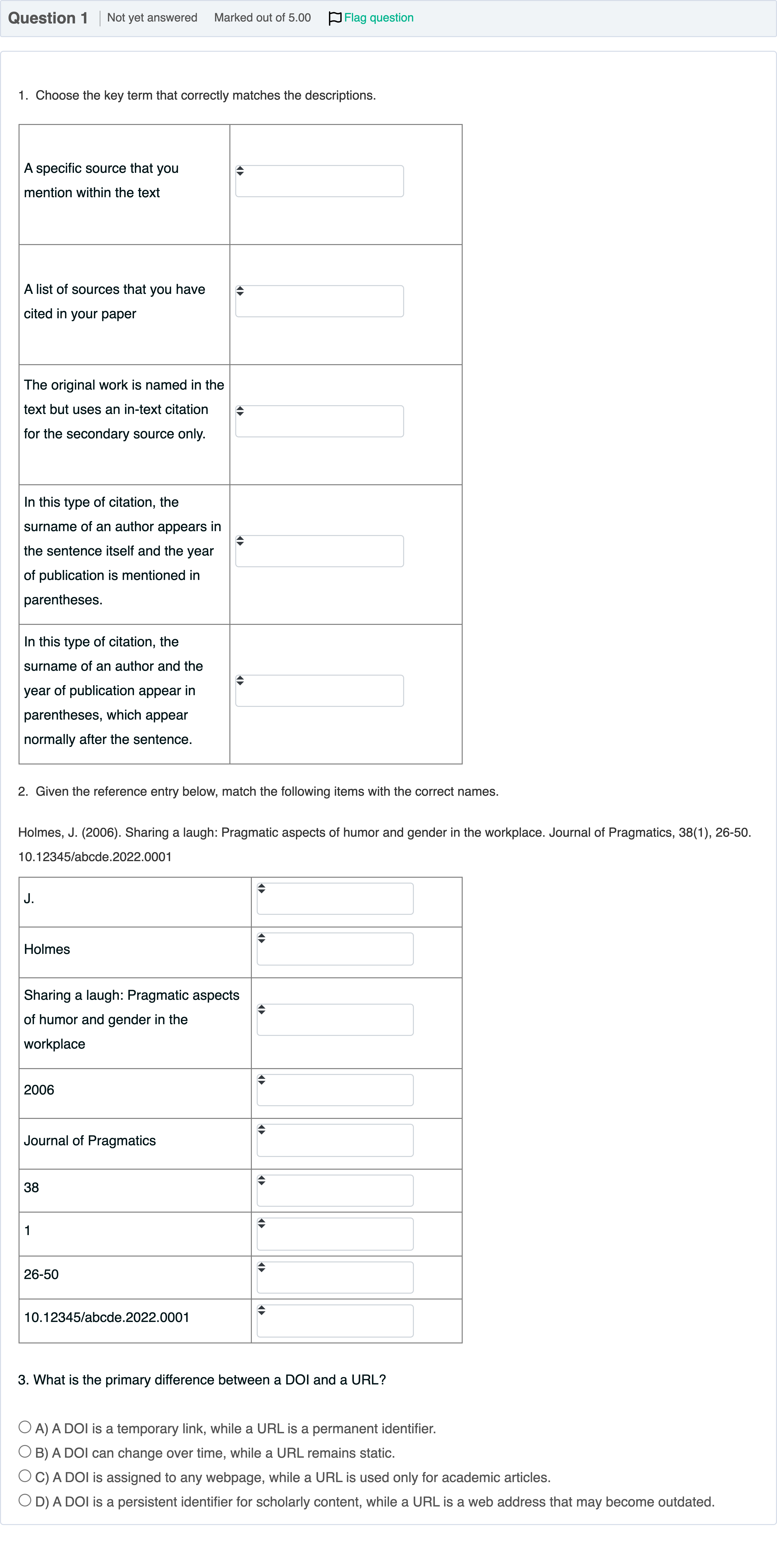
Question text <!-- function msoCommentShow(anchor_id, com_id) { if (msoBrowserCheck()) { c = document.all(com_id); a = document.all(anchor_id); if (null != c && null == c.length && null != a && null == a.length) { var cw = c.offsetWidth; var ch = c.offsetHeight; var aw = a.offsetWidth; var ah = a.offsetHeight; var x = a.offsetLeft; var y = a.offsetTop; var el = a; while (el.tagName != "BODY") { el = el.offsetParent; x = x + el.offsetLeft; y = y + el.offsetTop; } var bw = document.body.clientWidth; var bh = document.body.clientHeight; var bsl = document.body.scrollLeft; var bst = document.body.scrollTop; if (x + cw + ah / 2 > bw + bsl && x + aw - ah / 2 - cw >= bsl) { c.style.left = x + aw - ah / 2 - cw; } else { c.style.left = x + ah / 2; } if (y + ch + ah / 2 > bh + bst && y + ah / 2 - ch >= bst) { c.style.top = y + ah / 2 - ch; } else { c.style.top = y + ah / 2; } c.style.visibility = "visible"; } } } function msoCommentHide(com_id) { if (msoBrowserCheck()) { c = document.all(com_id); if (null != c && null == c.length) { c.style.visibility = "hidden"; c.style.left = -1000; c.style.top = -1000; } } } function msoBrowserCheck() { ms = navigator.appVersion.indexOf("MSIE"); vers = navigator.appVersion.substring(ms + 5, ms + 6); ie4 = (ms > 0) && (parseInt(vers) >= 4); return ie4; } if (msoBrowserCheck()) { document.styleSheets.dynCom.addRule(".msocomanchor", "background: infobackground"); document.styleSheets.dynCom.addRule(".msocomoff", "display: none"); document.styleSheets.dynCom.addRule(".msocomtxt", "visibility: hidden"); document.styleSheets.dynCom.addRule(".msocomtxt", "position: absolute"); document.styleSheets.dynCom.addRule(".msocomtxt", "top: -1000"); document.styleSheets.dynCom.addRule(".msocomtxt", "left: -1000"); document.styleSheets.dynCom.addRule(".msocomtxt", "width: 33%"); document.styleSheets.dynCom.addRule(".msocomtxt", "background: infobackground"); document.styleSheets.dynCom.addRule(".msocomtxt", "color: infotext"); document.styleSheets.dynCom.addRule(".msocomtxt", "border-top: 1pt solid threedlightshadow"); document.styleSheets.dynCom.addRule(".msocomtxt", "border-right: 2pt solid threedshadow"); document.styleSheets.dynCom.addRule(".msocomtxt", "border-bottom: 2pt solid threedshadow"); document.styleSheets.dynCom.addRule(".msocomtxt", "border-left: 1pt solid threedlightshadow"); document.styleSheets.dynCom.addRule(".msocomtxt", "padding: 3pt 3pt 3pt 3pt"); document.styleSheets.dynCom.addRule(".msocomtxt", "z-index: 100"); } // --> 1. Choose the key term that correctly matches the descriptions. [table] A specific source that you mention within the text | Answer 1 Question 1 CitationIntegral CitationNon-integral CitationReferencesSecondary Citation A list of sources that you have cited in your paper | Answer 2 Question 1 CitationIntegral CitationNon-integral CitationReferencesSecondary Citation The original work is named in the text but uses an in-text citation for the secondary source only. | Answer 3 Question 1 CitationIntegral CitationNon-integral CitationReferencesSecondary Citation In this type of citation, the surname of an author appears in the sentence itself and the year of publication is mentioned in parentheses. | Answer 4 Question 1 CitationIntegral CitationNon-integral CitationReferencesSecondary Citation In this type of citation, the surname of an author and the year of publication appear in parentheses, which appear normally after the sentence. | Answer 5 Question 1 CitationIntegral CitationNon-integral CitationReferencesSecondary Citation [/table] 2. Given the reference entry below, match the following items with the correct names. Holmes, J. (2006). Sharing a laugh: Pragmatic aspects of humor and gender in the workplace. Journal of Pragmatics, 38(1), 26-50. 10.12345/abcde.2022.0001 [table] J. | Answer 6 Question 1 Article titleDOIFirst name (initials)Issue no.Journal titlePage no.Publication yearSurnameVolume no. Holmes | Answer 7 Question 1 Article titleDOIFirst name (initials)Issue no.Journal titlePage no.Publication yearSurnameVolume no. Sharing a laugh: Pragmatic aspects of humor and gender in the workplace | Answer 8 Question 1 Article titleDOIFirst name (initials)Issue no.Journal titlePage no.Publication yearSurnameVolume no. 2006 | Answer 9 Question 1 Article titleDOIFirst name (initials)Issue no.Journal titlePage no.Publication yearSurnameVolume no. Journal of Pragmatics | Answer 10 Question 1 Article titleDOIFirst name (initials)Issue no.Journal titlePage no.Publication yearSurnameVolume no. 38 | Answer 11 Question 1 Article titleDOIFirst name (initials)Issue no.Journal titlePage no.Publication yearSurnameVolume no. 1 | Answer 12 Question 1 Article titleDOIFirst name (initials)Issue no.Journal titlePage no.Publication yearSurnameVolume no. 26-50 | Answer 13 Question 1 Article titleDOIFirst name (initials)Issue no.Journal titlePage no.Publication yearSurnameVolume no. 10.12345/abcde.2022.0001 | Answer 14 Question 1 Article titleDOIFirst name (initials)Issue no.Journal titlePage no.Publication yearSurnameVolume no. [/table] 3. What is the primary difference between a DOI and a URL? Multiple choice 1 Question 1A) A DOI is a temporary link, while a URL is a permanent identifier.B) A DOI can change over time, while a URL remains static.C) A DOI is assigned to any webpage, while a URL is used only for academic articles.D) A DOI is a persistent identifier for scholarly content, while a URL is a web address that may become outdated.

查看解析
标准答案
Please login to view
思路分析
To tackle Question 1, we must evaluate each description against standard citation terminology and pick the term that matches precisely.
Option 1: 'A specific source that you mention within the text' This describes an in-text citation or parenthetical reference, not a full listing of sources. The phrase suggests citing one source directly in the narrative, which is not the same as a bibliography or reference list. Therefore this option is n......Login to view full explanation登录即可查看完整答案
我们收录了全球超50000道考试原题与详细解析,现在登录,立即获得答案。
类似问题
Why do we reference?
Read the paragraph below and answer the following question. (1) The size of the obesity epidemic is not the only reason that this crisis cannot be ignored.(2) The adverse effects of obesity are widespread and relate not only to individuals, but to society as a whole. (3) The medical consequences of obesity are well documented and include increased risk of type -2 diabetes, heart disease, hypertension, stroke and several cancers. (4) The large amount of excess weight that characterises obesity can also lead to sleep apnoea and osteoarthritis. (5) Both of these conditions have the potential to seriously reduce the quality and enjoyment of life of an individual. (6) In addition, obesity has been shown to substantially reduce life expectancy, especially in young adults. (7) Already some areas of the United States have seen decreases in life expectancy, with obesity a contributing factor. (8) We do not want to see this trend continue across the globe, undoing the gains we have made in the last hundred years in areas of health and life expectancy. Adapted from student sample with permission. Which sentences contain information from a source and therefore need to be referenced? Select all that apply.
Read the paragraph below and answer the following question. (1) The size of the obesity epidemic is not the only reason that this crisis cannot be ignored.(2) The adverse effects of obesity are widespread and relate not only to individuals, but to society as a whole. (3) The medical consequences of obesity are well documented and include increased risk of type -2 diabetes, heart disease, hypertension, stroke and several cancers. (4) The large amount of excess weight that characterises obesity can also lead to sleep apnoea and osteoarthritis. (5) Both of these conditions have the potential to seriously reduce the quality and enjoyment of life of an individual. (6) In addition, obesity has been shown to substantially reduce life expectancy, especially in young adults. (7) Already some areas of the United States have seen decreases in life expectancy, with obesity a contributing factor. (8) We do not want to see this trend continue across the globe, undoing the gains we have made in the last hundred years in areas of health and life expectancy. Adapted from student sample with permission. Which sentences contain information from a source and therefore need to be referenced? Select all that apply.
Read the paragraph below and answer the following question. (1) The size of the obesity epidemic is not the only reason that this crisis cannot be ignored.(2) The adverse effects of obesity are widespread and relate not only to individuals, but to society as a whole. (3) The medical consequences of obesity are well documented and include increased risk of type -2 diabetes, heart disease, hypertension, stroke and several cancers. (4) The large amount of excess weight that characterises obesity can also lead to sleep apnoea and osteoarthritis. (5) Both of these conditions have the potential to seriously reduce the quality and enjoyment of life of an individual. (6) In addition, obesity has been shown to substantially reduce life expectancy, especially in young adults. (7) Already some areas of the United States have seen decreases in life expectancy, with obesity a contributing factor. (8) We do not want to see this trend continue across the globe, undoing the gains we have made in the last hundred years in areas of health and life expectancy. Adapted from student sample with permission. Which sentences contain information from a source and therefore need to be referenced? Select all that apply.
更多留学生实用工具
希望你的学习变得更简单
加入我们,立即解锁 海量真题 与 独家解析,让复习快人一步!