
Questions
Single choice
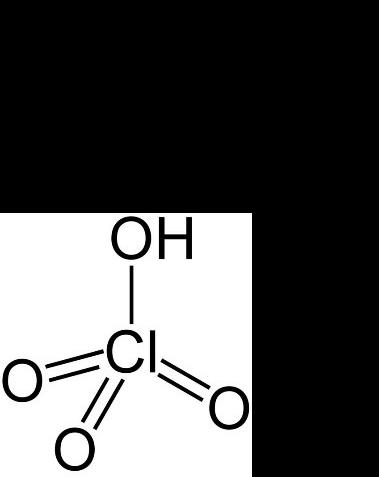
Question12 Below are the structures of two compounds you encountered in Practical 3 'Enzymes' and Practical 5 'Glycolysis' laboratory classes, respectively. Compound A: p-nitrophenol Compound B: Perchloric acid Both compounds are used in biochemical assays, but they differ in their hazard profiles. Which of the following options best describes the appropriate safety precautions when handling these compounds? Select one alternative: Only Compound B requires gloves, as Compound A is volatile and should be handled in a fume hood. Compound A requires gloves and eye protection due to its ability to be absorbed through the skin and cause irritation. Compound B is less hazardous but should still be handled with standard personal protective equipment. Both compounds are equally hazardous and always require full personal protective equipment. Compound A is non-toxic, while Compound B requires full personal protective equipment. Neither compound is hazardous but should still be handled with standard personal protective equipment. ResetMaximum marks: 1 Flag question undefined
Options
A.Only Compound B requires gloves, as Compound A is volatile and should be handled in a fume hood.
B.Compound A requires gloves and eye protection due to its ability to be absorbed through the skin and cause irritation. Compound B is less hazardous but should still be handled with standard personal protective equipment.
C.Both compounds are equally hazardous and always require full personal protective equipment.
D.Compound A is non-toxic, while Compound B requires full personal protective equipment.
E.Neither compound is hazardous but should still be handled with standard personal protective equipment.

View Explanation
Verified Answer
Please login to view
Step-by-Step Analysis
We begin by parsing the question and the given answer choices.
Option 1: 'Only Compound B requires gloves, as Compound A is volatile and should be handled in a fume hood.' This statement assigns a fume-hood requirement to Compound A solely due to volatility, and suggests gloves for Compound B only; however, this ignores the potential for skin absorption or irritation from Compound A and does not account for standard safety practices that call for protective gear beyond a fume hood for many chemical hazards. Moreover, it implies Compound A is volatile, which may......Login to view full explanationLog in for full answers
We've collected over 50,000 authentic exam questions and detailed explanations from around the globe. Log in now and get instant access to the answers!
Similar Questions
Chemical contact with eyes In the case of acidic, basic or toxic chemicals making contact with the eyes, select the most appropriate courses of action.
Question 8 What is a Safety Data Sheet (SDS)?
If you were asked to work with Product K1, you would safeguard against hazard by:
Chemical spills It is not uncommon for chemicals to get spilled in the laboratory environment. In the case of water, this may be simply mopped up, but acidic and basic solutions, or other mixtures may require more care. What should you do if an unknown solution is spilled on the floor?
More Practical Tools for Students Powered by AI Study Helper
Making Your Study Simpler
Join us and instantly unlock extensive past papers & exclusive solutions to get a head start on your studies!